Vaccinations for Dogs: Protecting Your Best Friend
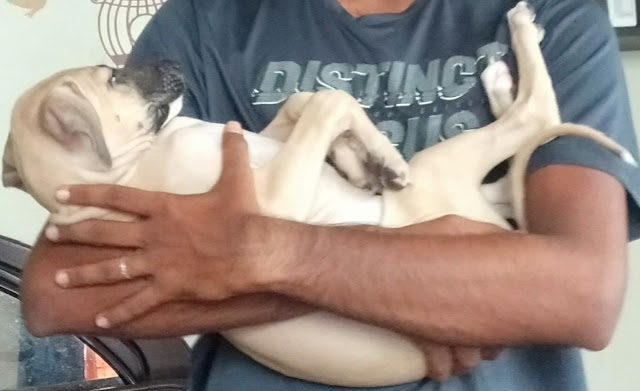
Chezhi reacts instantly when I mention her veterinarian's name but the reaction always seem uncertain. It is like, "Mom, should I feel happy or worried?" Her veterinarian being a family friend, there has been a couple of visits that did not involve injections or treatment. Those are the times Chezhi feels very happy. Then, there are times when the veterinarian comes equipped and Chezhi does not appreciate the sight of the medical bag one bit. Whether our pets like or not, vaccinating them on time is the duty of every responsible parent.
Vaccinations are one of the most effective ways to protect dogs from serious and potentially life-threatening diseases. Whether you have a playful puppy or a senior dog, staying up to date with vaccinations is an important part of responsible pet care.
Why Do Dogs Need Vaccinations?
Vaccines
help prepare the immune system to recognize and fight specific diseases. By
vaccinating dogs, we can significantly reduce the risk of infection and help
prevent the spread of contagious diseases.
Common Diseases Vaccines Help Prevent
Depending
on your location and veterinary recommendations, vaccines may help protect
against:
- Canine Distemper
- Canine Parvovirus
- Canine Adenovirus
- Rabies
- Leptospirosis
- Kennel Cough (Bordetella)
Some
of these diseases can be severe and may even be fatal.
Puppy Vaccination Schedule
Puppies
receive protection from their mother's milk during the first weeks of life, but
this protection gradually decreases.
Because
of this, puppies typically receive a series of vaccinations during their first
few months. Your veterinarian will recommend a schedule based on your puppy's
age and risk factors.
Typical Puppy Vaccination Timeline
Vaccination
schedules may vary slightly depending on your location and your veterinarian's
recommendations, but a typical schedule includes:
14 to 16 Weeks
- Final puppy booster for core vaccinations.
- Rabies vaccination (timing varies by local regulations)
After
One Year
Which Vaccinations Require Regular Boosters?
Booster
schedules vary depending on the vaccine used and local veterinary guidelines.
Common
vaccinations that may require periodic boosters include:
- Rabies
- Distemper
- Parvovirus
- Adenovirus
- Leptospirosis
- Bordetella (Kennel Cough)
Some
vaccines are administered annually, while others may be given every few years
depending on veterinary recommendations and local regulations.
Always
follow the vaccination schedule advised by your veterinarian, as
recommendations may differ between regions and individual dogs.
Rabies Vaccination
Rabies
is a deadly disease that can affect both animals and humans. In many regions,
rabies vaccination is required by law.
Always
follow local regulations and veterinary advice regarding rabies vaccination.
Are Vaccines Safe?
Most
dogs tolerate vaccines well. Mild effects such as temporary tiredness or slight
soreness at the injection site may occur.
Serious
reactions are uncommon, but any unusual symptoms should be reported to your
veterinarian immediately.
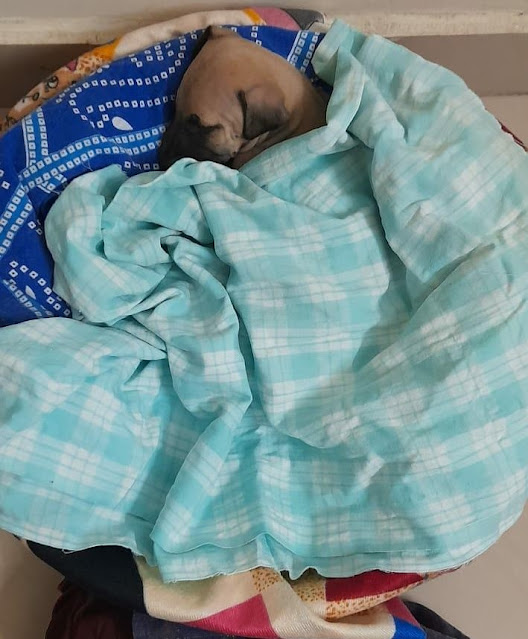
Chezhi's mind voice I believe when we were discussing vaccination:
Final Thoughts
Vaccinations
are one of the simplest and most effective ways to help keep dogs healthy.
Working closely with your veterinarian to maintain an appropriate vaccination
schedule can provide valuable protection throughout your dog's life.



Comments
Post a Comment